
The Year I Spent Building Something That Didn't Work
On building things the hard way, and what gets lost when you don't

The Idea
Ten years ago I became obsessed with an idea. A physical board game with circuits inside it. Players would move pieces around the board, and a mobile app would sync with the hardware in real time. It would be a MOBA style board game where you played as a hero, captured objectives, and battled heroes controlled by your opponent.
I had no idea how to build any of it.
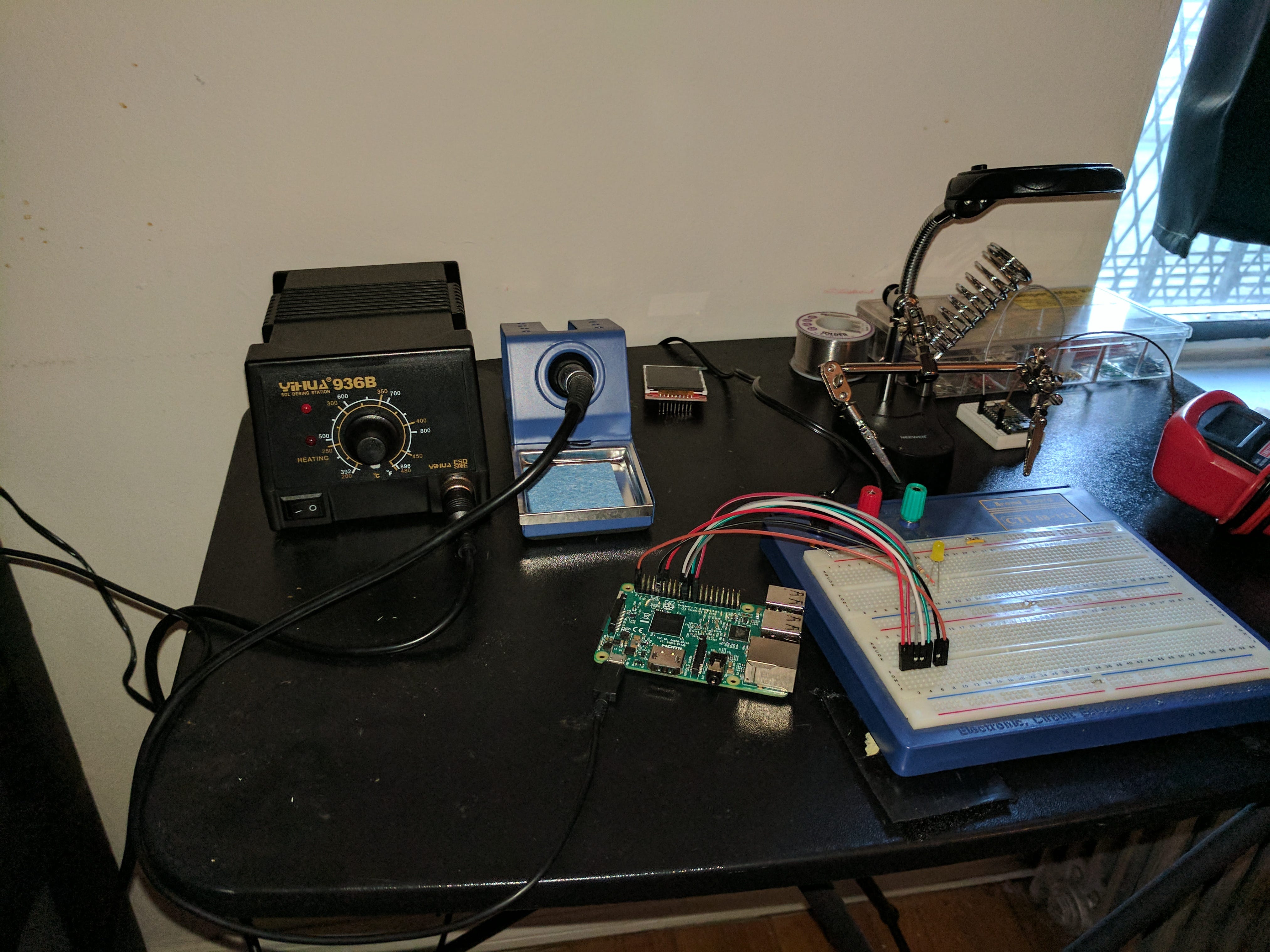
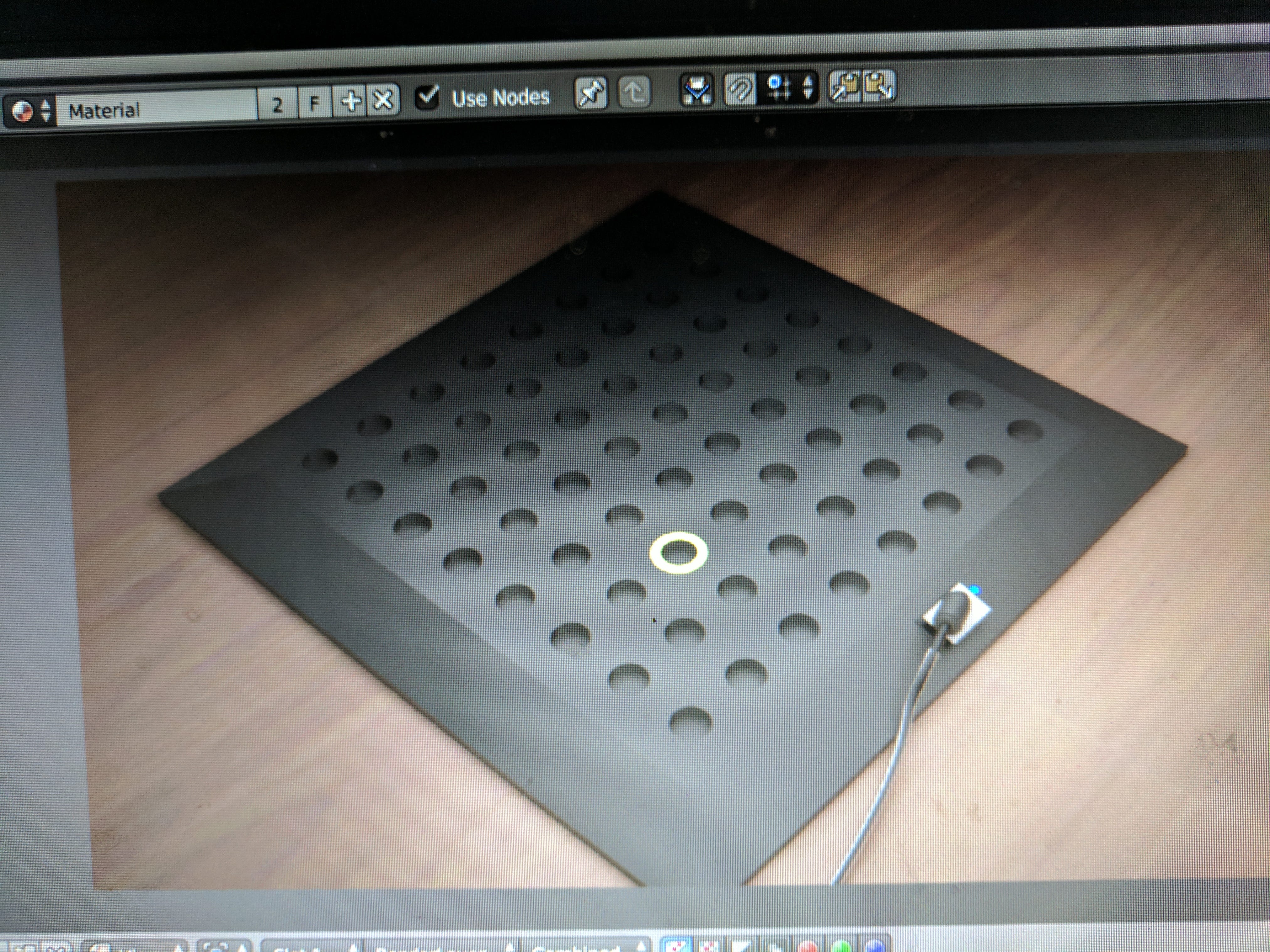
Over the next year I taught myself Eagle PCB design, embedded C, how to solder, and enough electronics to understand what I didn’t understand. I set up a soldering station in my apartment. I 3D modeled game pieces in Blender and gave them names.
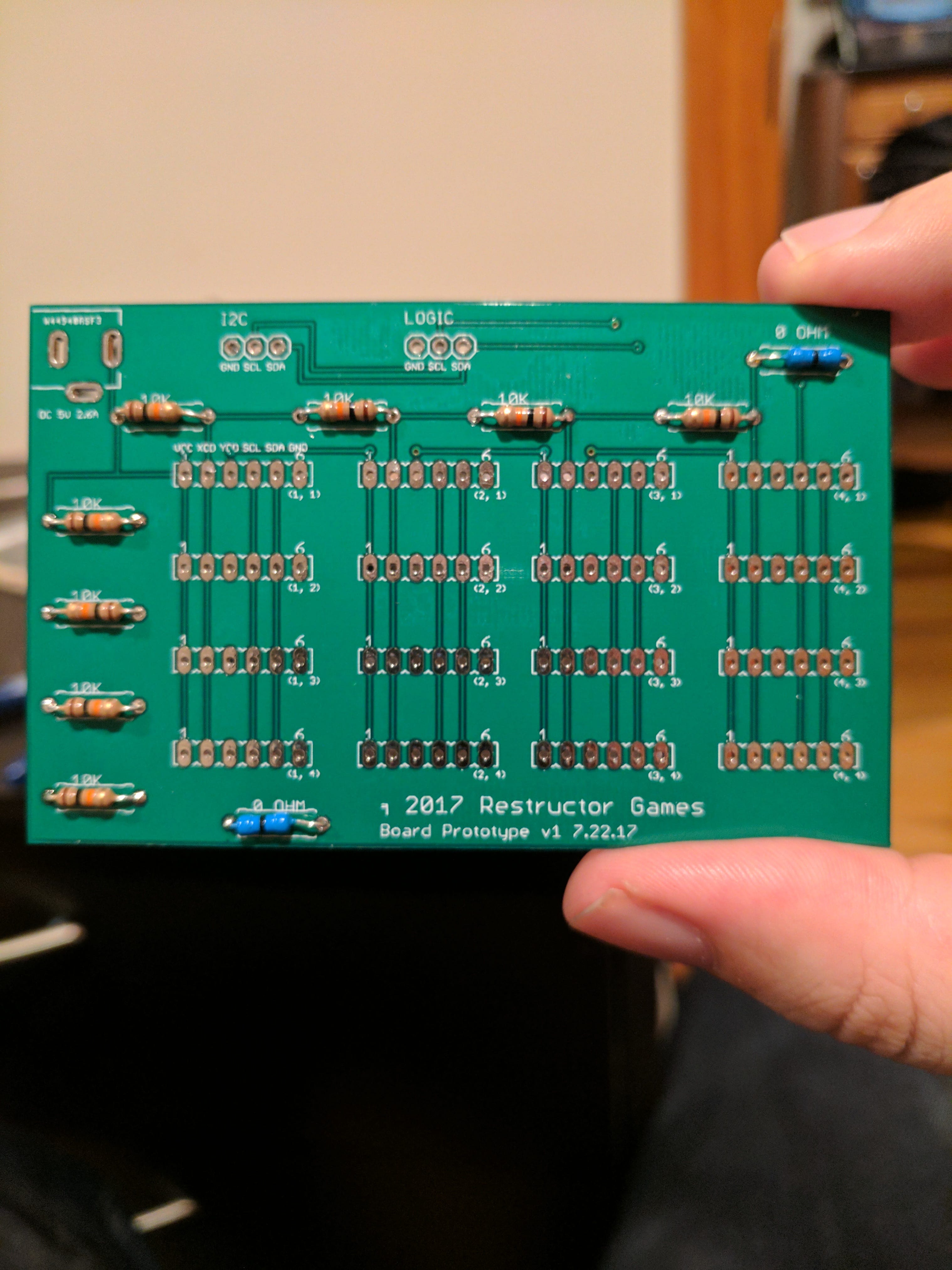
I sent Gerber files to a fab house and got a real manufactured PCB back in the mail with a version number and date silkscreened on it, confident that this was the first iteration of a long line of releases.
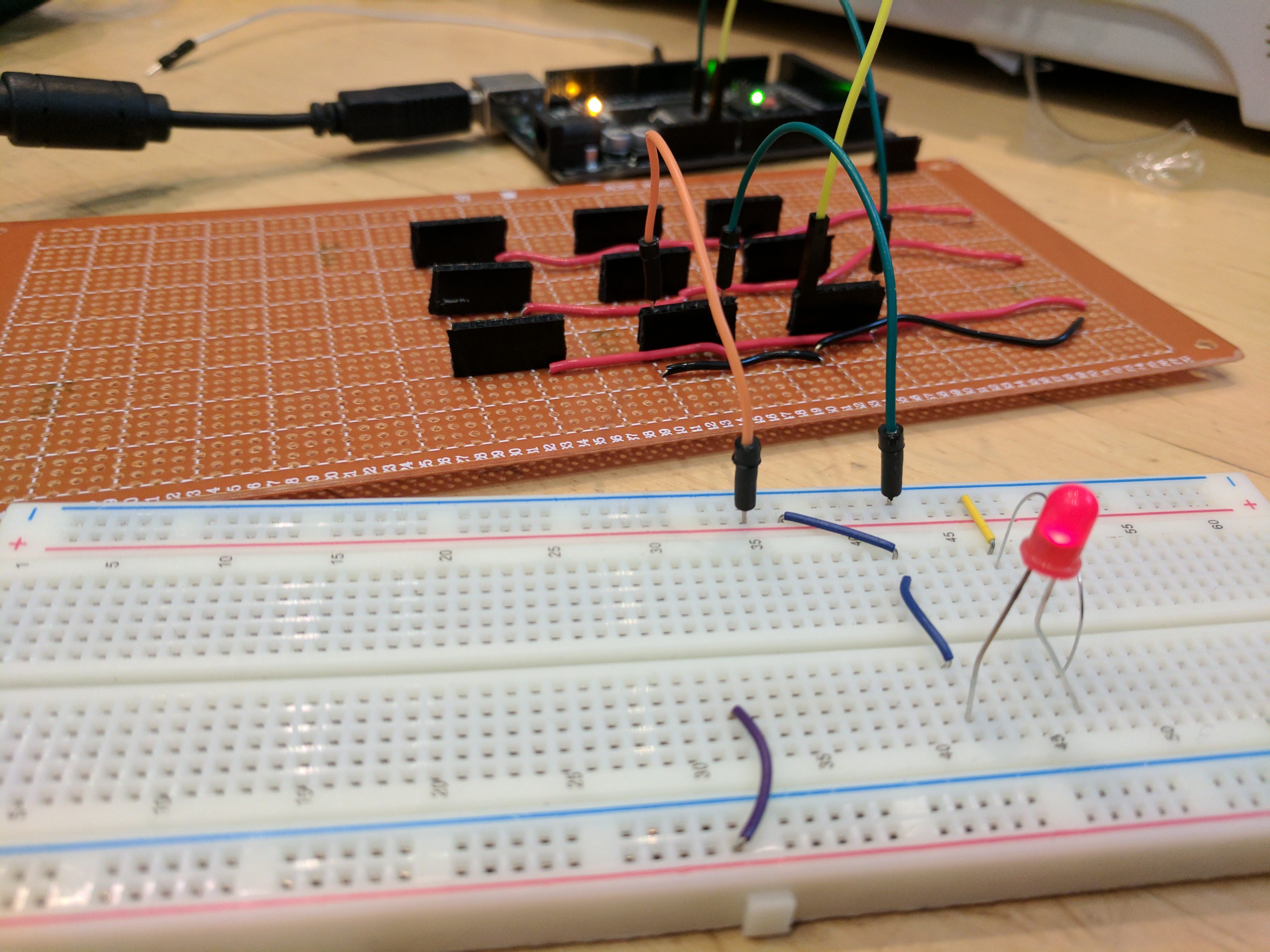
After months of learning, and iterating, and re-writing, and re-writing again, I finally had enough of a concept together to try the game as a playtester. It was bad. The concept just didn’t work.
Ideas matter more now
I think about this project a lot now that I’m building things with AI. The first thing I keep coming back to is that idea quality matters more than it used to. If I starting this project over today, Claude could probably help me stress-test the game mechanics in a weekend. Find the structural problems before I’ve touched a breadboard.
Validating the idea up front and having better access to deep research might have saved me a year of working on a doomed project. I think about that when I’m starting new projects now, because the implementation cost being lower doesn’t mean the idea is any better.
But I’m not sure what we lose
All of that said, there’s another way to look at this. I didn’t learn electronics because I wanted to learn electronics. I learned it because I genuinely believed in the idea, and I was willing to do whatever it took. Fumbling horribly through designing electronics, writing low-level code, and researching supply chains for parts the game would depend on gave me a real respect for people who design circuits, and a real respect for people who design games. Not the kind you get from reading about how hard something is. The kind you only get from having tried and failed at it.
My recent AI-assisted projects I know less well than the things I built from scratch. I build things faster, but I’ve never had to hold them in my head the same way. I still remember specific blocks of code that I wrote for the embedded controller on this game, 10 years later. I can’t say that for any code I’ve written with AI.
There’s a consequence of having AI do your research quickly that I find concerning. A good LLM explanation is smooth. You ask about PCB layout and you get something coherent and well-organized, and it’s easy to walk away feeling like you understand it. But what that year gave me, more than any specific skill, was a sense of how much I didn’t know. That’s different from reading a description of how deep something is. I find myself falsely confident about things that I research with AI, when building this failed game by hand gave me a healthy skepticism for my own abilities and limits.
I don’t know if this is a real loss or if the learning just happens differently now. I’m still figuring that out. But I think it’s worth paying attention to.
Maybe struggling through the hard parts of doing things is the point.